- Leadership Confidence review
- Silent Thief review
- Lotus Code… Six Steps Review
- TurnAround Point book five session review


Front Counter Six Series, Part 5: FAIL Large or FAIL Small…
Structured Conversation Pathways
Quotes from Jack:
Listen up for Jack’s “Five P’s”. Andy served all who attended virtual peanut and butter sandwiches – VERY TASTY!
Front Counter Six Series, Part 4: Prepare, Audit, Rehearse, Present
What is PARP? Discover what you need to know! Brian delivers a great message, Setting Yourself up for Success: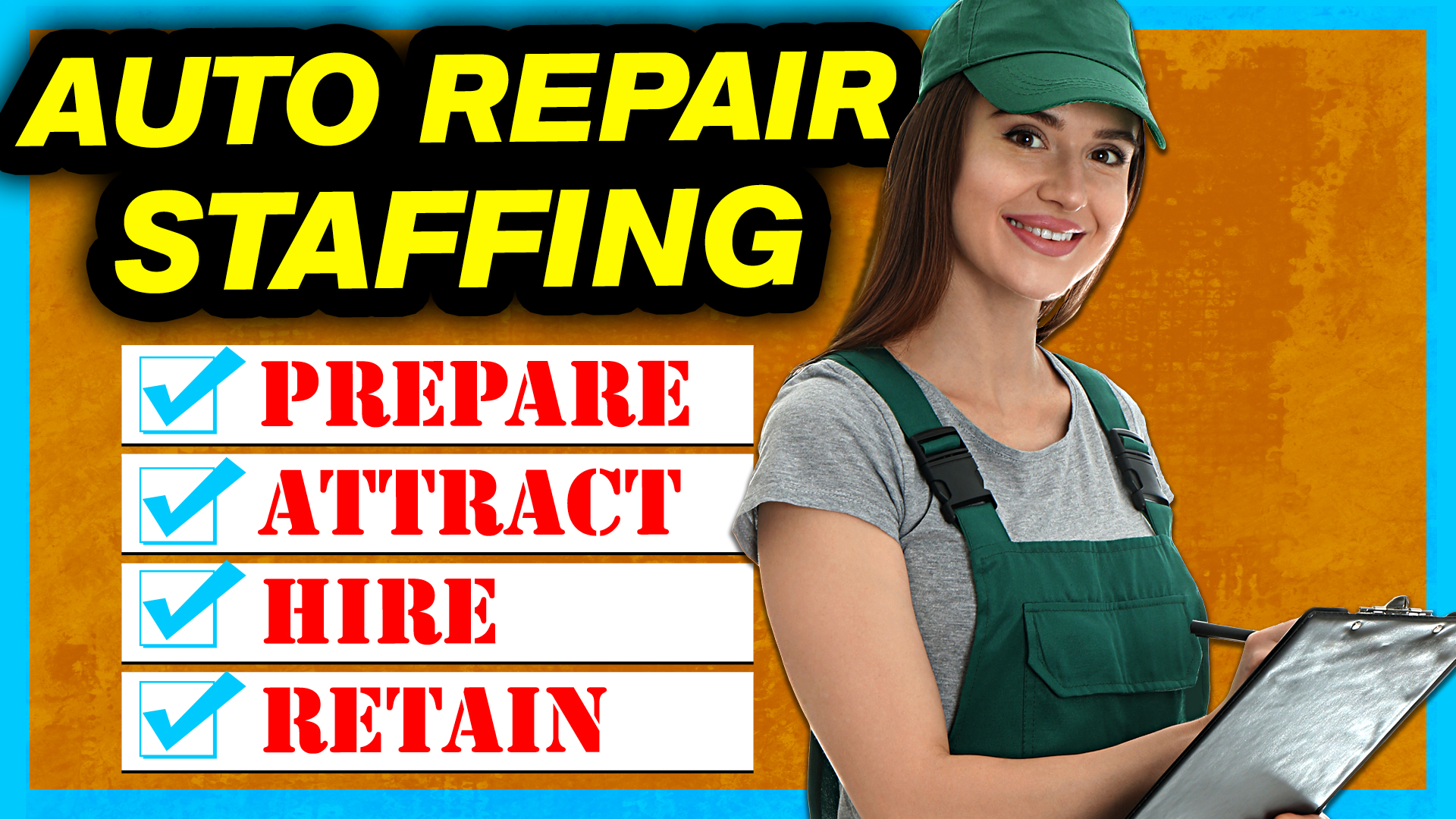
As we join the video in progress, Brian reviews a few incentives many shop owners use to entice potential employees. These include signing bonuses and flexible hours, as well as purchasing them new work boots for them annually. We may be seeking the best candidate for the job, but if we are to successfully hire them, we must sweeten the deal for them.
Call participant Nikki reviews her shop’s hiring process, from advertising the position, to interviewing, to training new hires. Every detail of each step is crucial. Our friend Joe Evans adds the important caveat that we must have a written system (SOP) for our shop’s hiring process. Anyone in the shop should be able to conduct the steps if necessary.
Jim then speaks on the “R” in “PAHR” – retain. Every facet of your relationship with your new hire, starting with the onboarding step, is crucial to keeping them.
Joe Sevart follows up afterward, explaining the auto repair staffing culture in his shop. Every team member is part of a family. Before the second interview, he requires potential hires to review and approve his written culture guide. If they can’t commit to it fully, then they are not a good fit for his family. There is no room for a toxic personality in his garage, so Joe makes sure this requirement is met before the hire. Each employee contributes to the culture guide, and also makes decisions about benefits, equipment purchases, and more. This way, everyone feels like an important family member, and has a figurative stake in the business.
Finally, Joe explains that if he hires a technician, he does not allow them to even turn a wrench for a full week. While they are onboarding that first week, it is important to learn all they can about the business. Once they are immersed in the business culture, they are then ready to concentrate on their work.
Andy Arndt then points out that it is much cheaper to retain an existing employee than to hire a new one. The auto repair staffing process is both time consuming and expensive. Invest a small amount of time listening to and mentoring each employee regularly. That way, you may save yourself a lot of headaches in the future. Who knows – you may have lost a valuable employee in the past over an issue you could have instead resolved in house.
Nevertheless, if you respect you have made a bad hire, Brian suggests looking at three factors: don’t know, can’t do (aren’t able), and don’t care. As an owner or manager, you can possibly remedy the don’t know and can’t do with additional training. If your team member can’t shake the don’t care attitude, though, they have to go.
Interested in learning more about auto repair staffing? You can when you join our weekly online training meetings by becoming a YNR member! If you’re not ready to commit just yet, you can sign up for a FREE business strategy session here!